Sign up to view this video
Join Now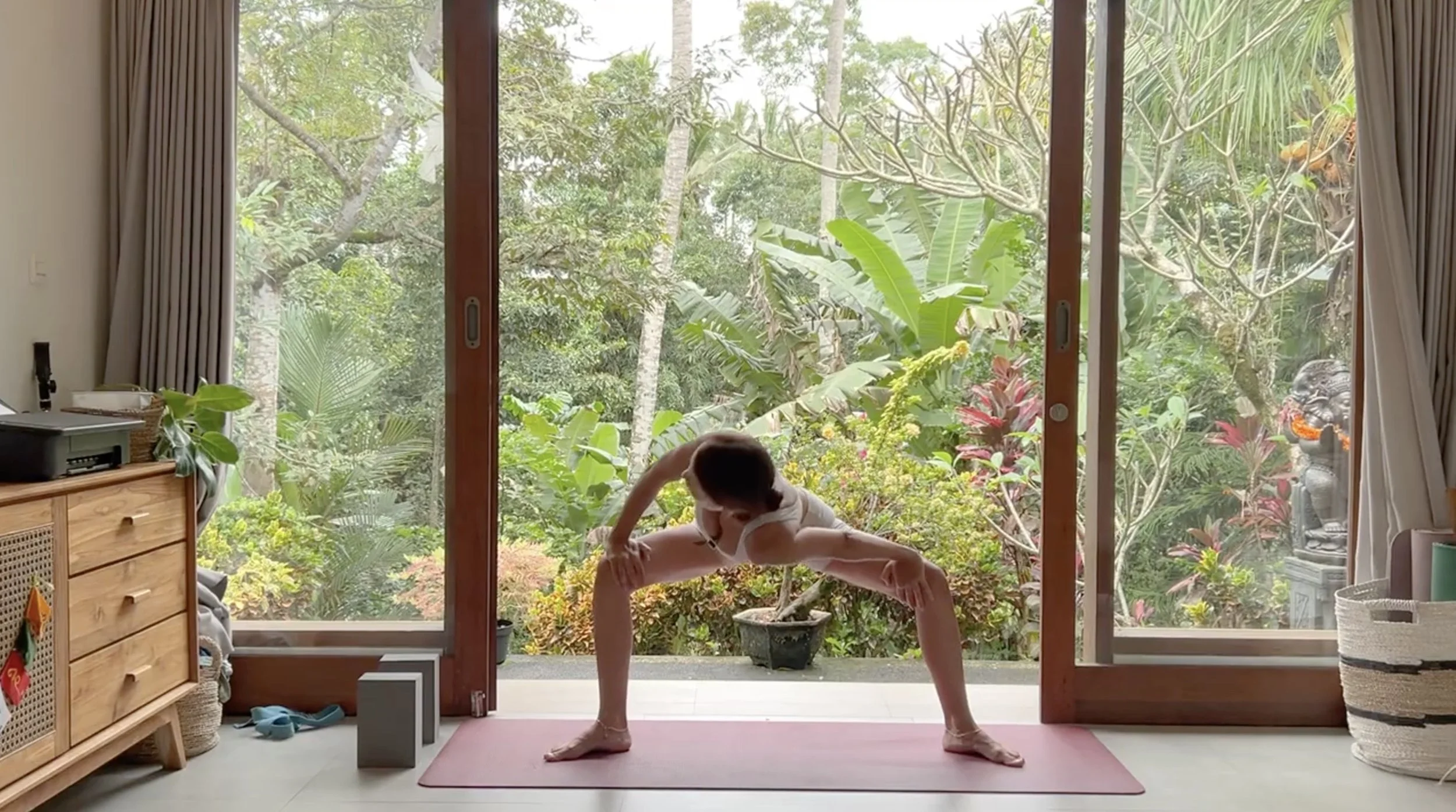
Axis 101. Lesson №2
We begin by working with the pelvic orientation — anterior or posterior tilt — since this single variable dictates much of the tone pattern above and below it. An anterior tilt typically correlates with a shortened, hypertonic iliopsoas and overactive lumbar erectors, often accompanied by lengthened, underactive abdominals and glutes. A posterior tilt presents the inverse pattern — flattened lumbar curve, gripping hamstrings and glutes, and a deactivated psoas. We will work on restoring a more neutral pelvic position as the structural base for everything that follows.
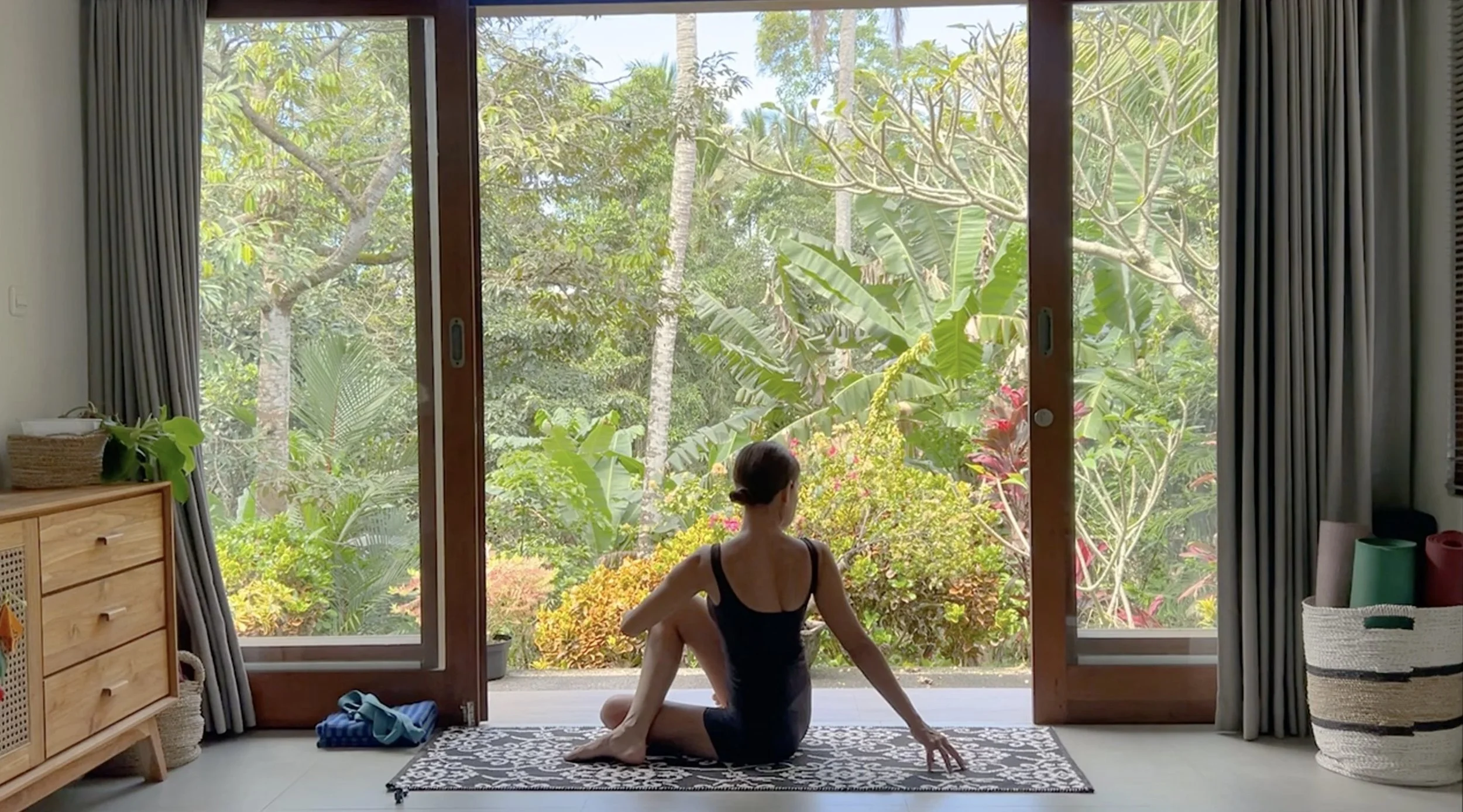
From this stabilized base, we move through mobility work for the major joints, prioritizing the thoracic spine and shoulder girdle. The thoracic spine is anatomically suited for rotation and extension, yet in most bodies it becomes the most restricted region — compensatory movement is then displaced into the lumbar spine (excess extension/instability) or the cervical spine (overuse of upper traps and levator scapulae). Mobilizing the thoracic vertebrae and rib articulations, alongside scapular mechanics — protraction/retraction, upward/downward rotation — restores normal force transmission through the kinetic chain and takes unnecessary load off the neck and lower back.
We then apply PIR (post-isometric relaxation) to the cervical musculature. PIR works through the principle of autogenic inhibition: a brief isometric contraction is followed by a refractory relaxation phase in the same muscle, allowing the nervous system to permit a greater stretch than would otherwise be tolerated. This is particularly effective for chronically guarded cervical tissue, where simple stretching alone often triggers a protective contraction rather than release.
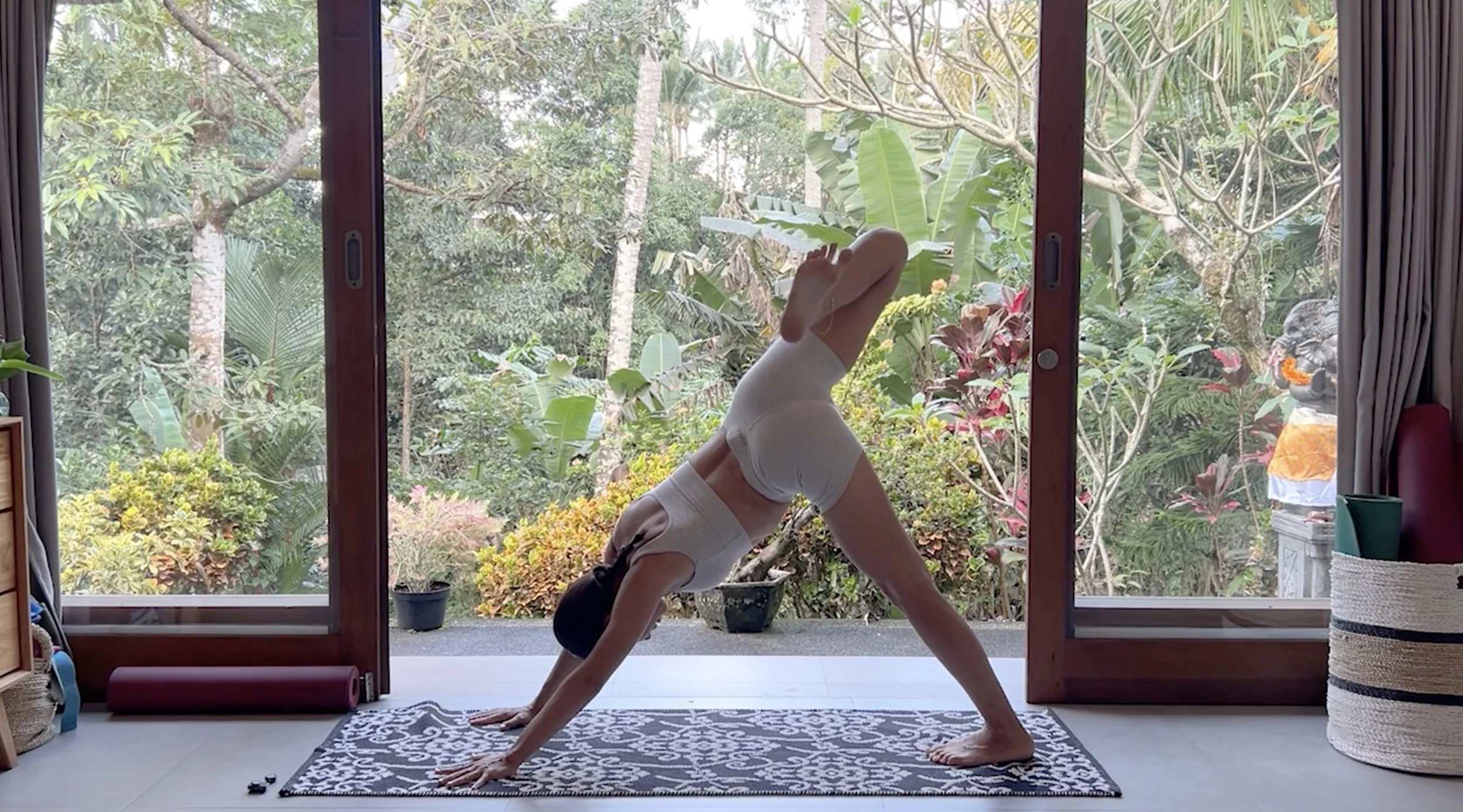
The class closes with an asana sequence designed not merely to stretch, but to re-pattern alignment at the level of proprioception. By guiding the body through positions that challenge habitual asymmetries — uneven shoulder height, rotated rib cage, forward head posture — we invite the nervous system to recognize and gradually adopt a more symmetrical, supported alignment. Particular attention is given to opening the anterior chest (pectoralis minor, anterior deltoid) while activating the mid-back stabilizers (rhomboids, lower trapezius), which together counteract the rounded, protracted shoulder posture so common in seated, screen-based lifestyles.