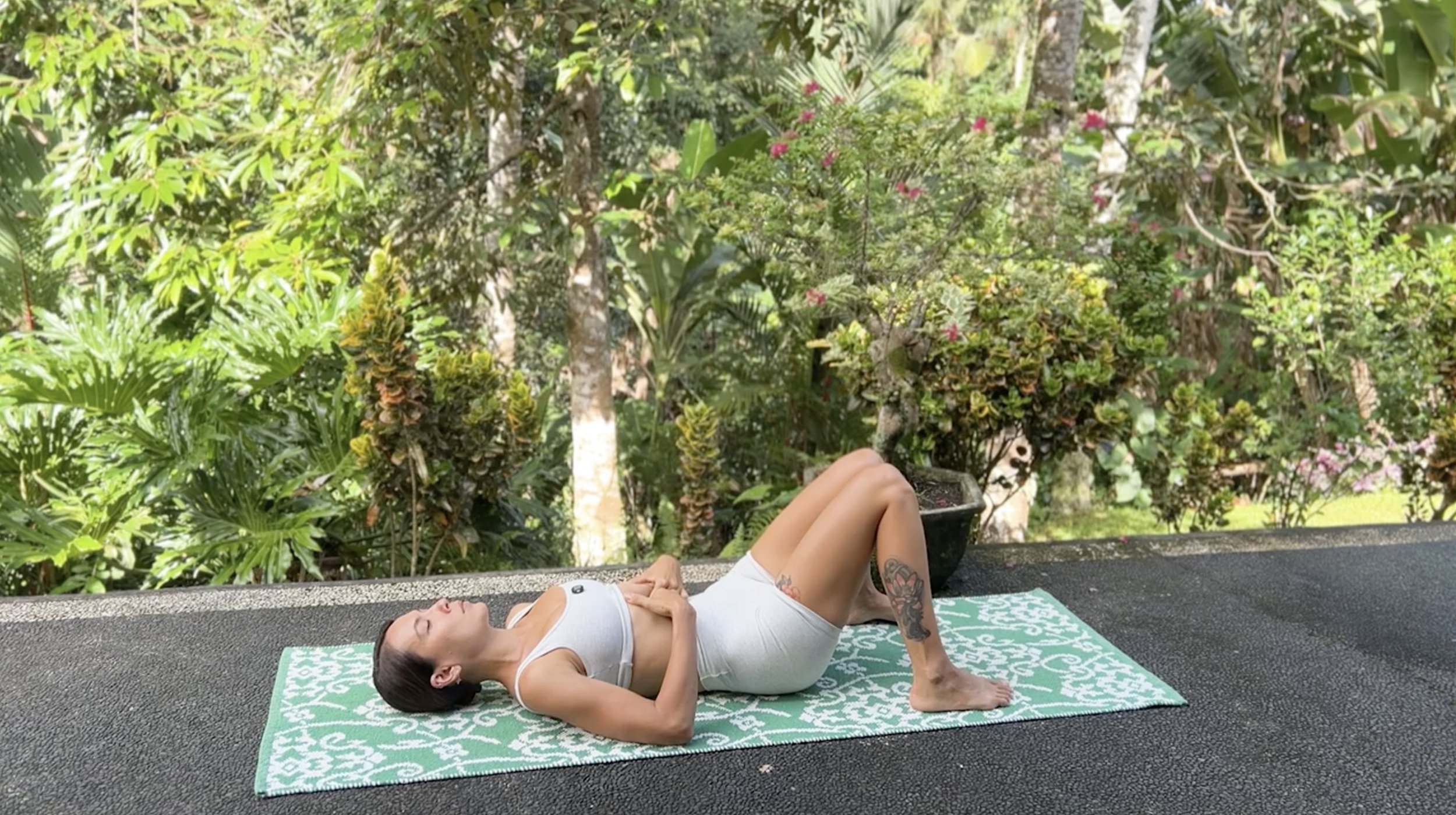
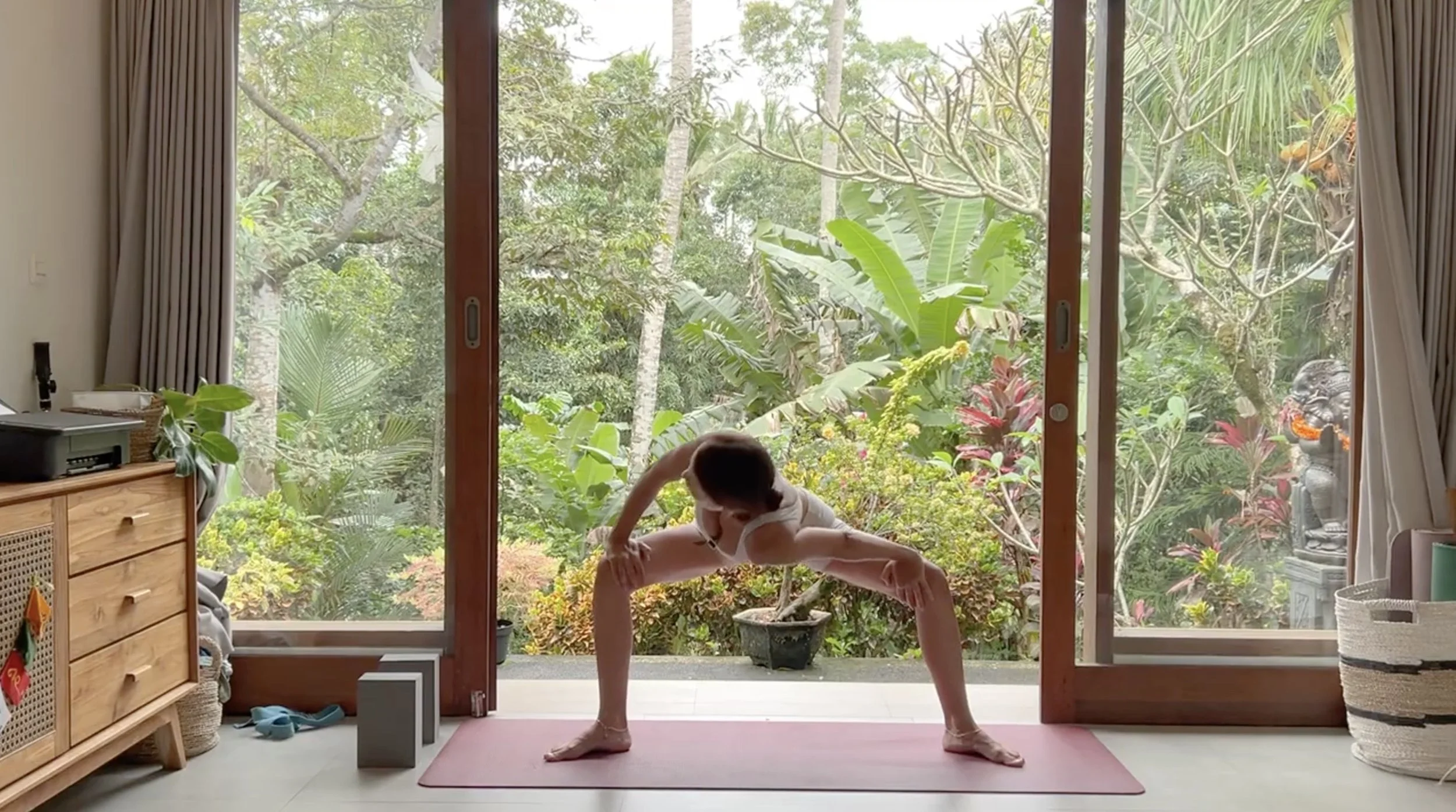
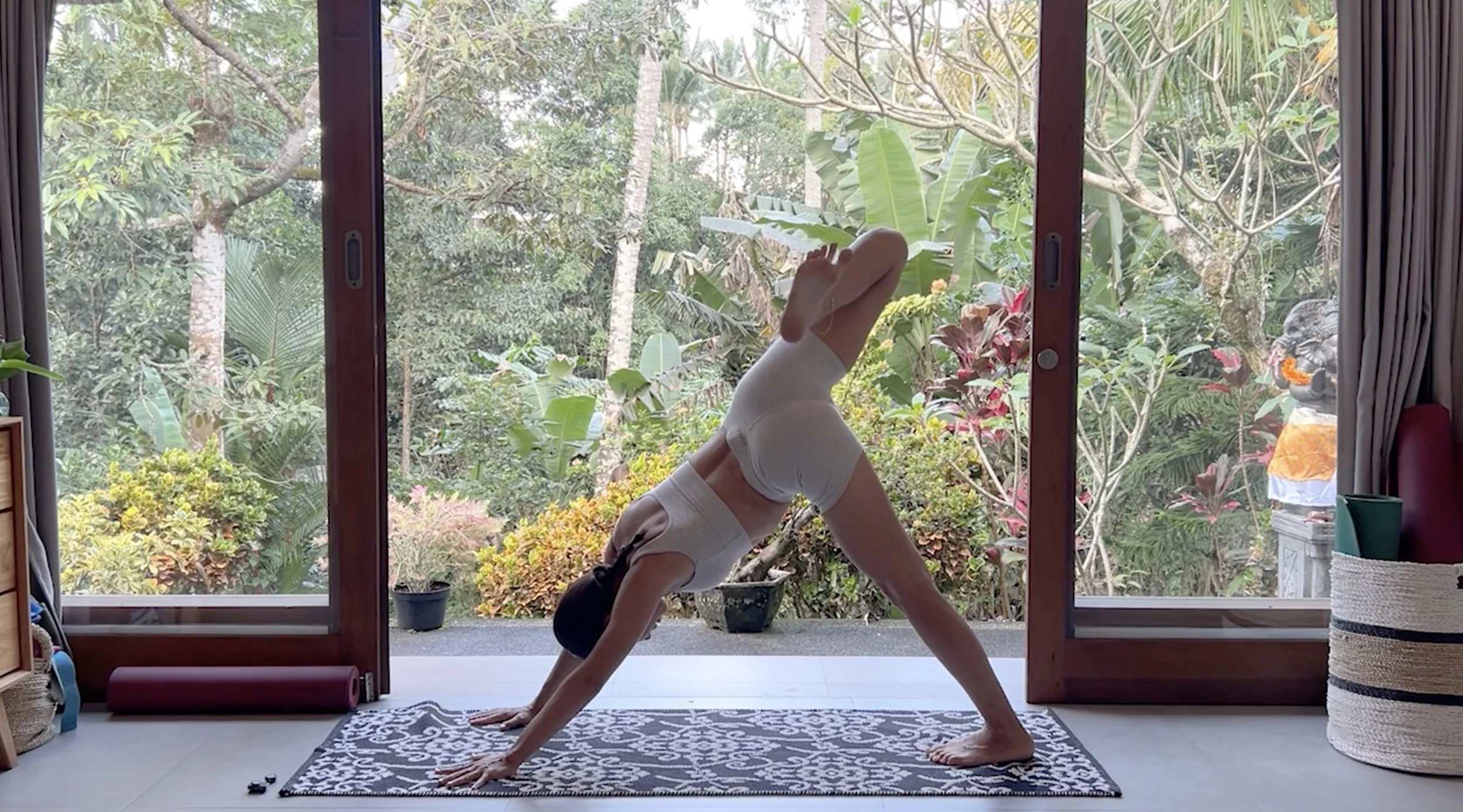
Sign up to view this video
Join Now
Axis 101. Lesson №1
We begin with joint mobility exercises and facial and neck trigger point release to prepare the body for deeper work. You will then move through post-isometric relaxation of the neck and therapeutic work with the back muscles and spine
When we talk about posture and the spine, we often think in very limited terms — if our shoulders are rounded, we need to open the chest; if our neck hurts, we need to stretch it; if our lower back aches, we need to rest and massage it. But not everything is so straightforward.
Sometimes we really need to pay attention to the periphery of the body, these muscles and structures that seem to have nothing to do with posture, yet profoundly affect the way we breathe, move, and hold ourselves in space.
Research in biomechanics and fascial anatomy shows that the body functions as a continuous tensional network. A restriction or weakness at one end of the chain will create compensations far away from the source — this is the foundation of what Thomas Myers mapped in his Anatomy Trains model.
With that in mind, today we will bring our attention to two often-overlooked areas:
The feet — our foundation. Research confirms that foot posture directly influences pelvic alignment, lumbar lordosis, and even head position. Flat arches or excessive pronation can create a chain reaction of compensations all the way up to the cervical spine.
The neck and the SCM (Sternocleidomastoid) muscle, specifically, are among the most underappreciated postural muscles. The SCM plays a key role not only in head and neck movement, but also in breathing mechanics (it is an accessory breathing muscle), jaw tension, and even balance through its connection to the vestibular system.