Sign up to view this video
Join Now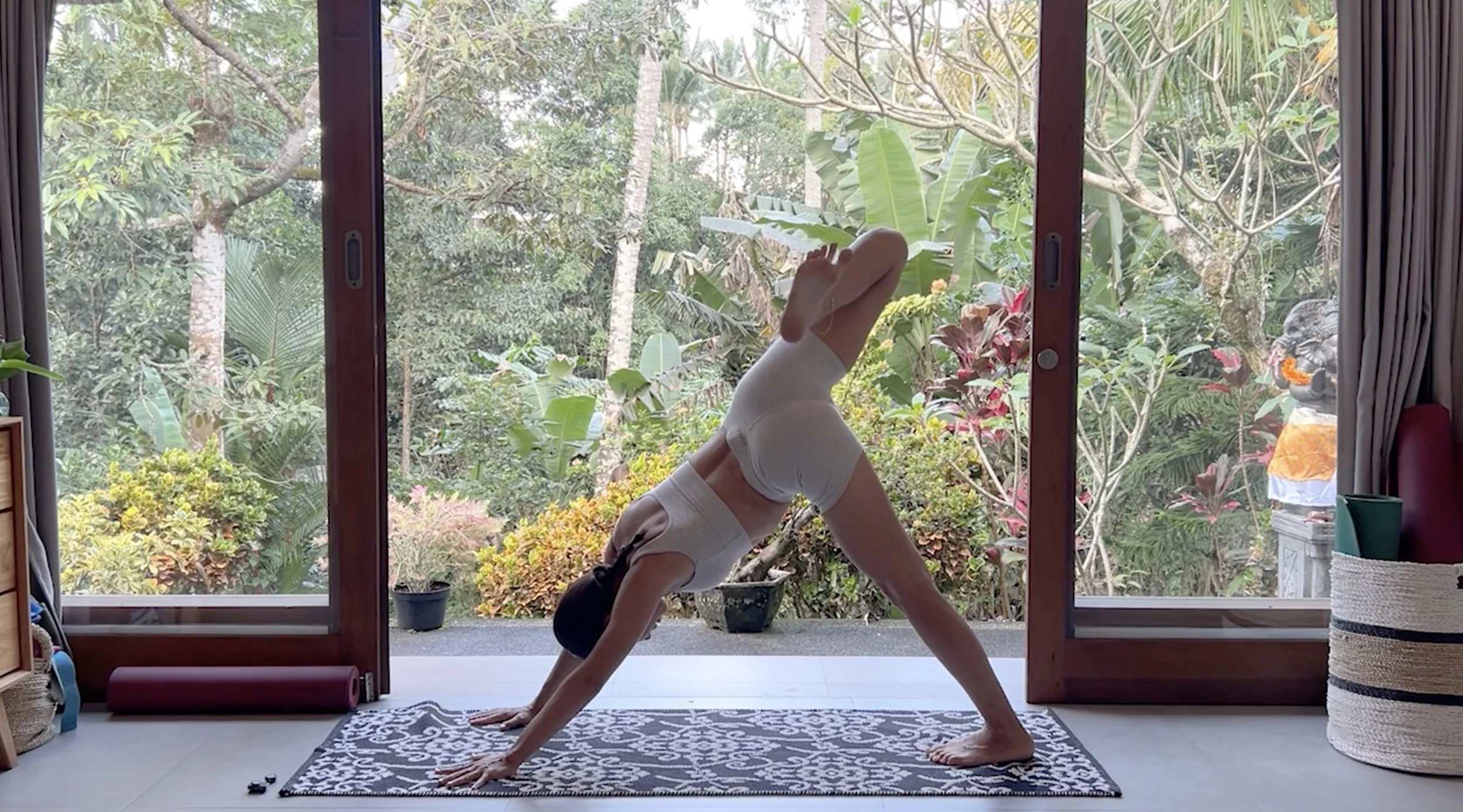
Axis 101. Lesson №3
We begin with PIR (post-isometric relaxation) for the cervical muscles, releasing the chronic gripping so common in the upper traps, levator scapulae, and scalenes before any further work begins — this prevents neck muscles from spasm during the strengthening exercises.
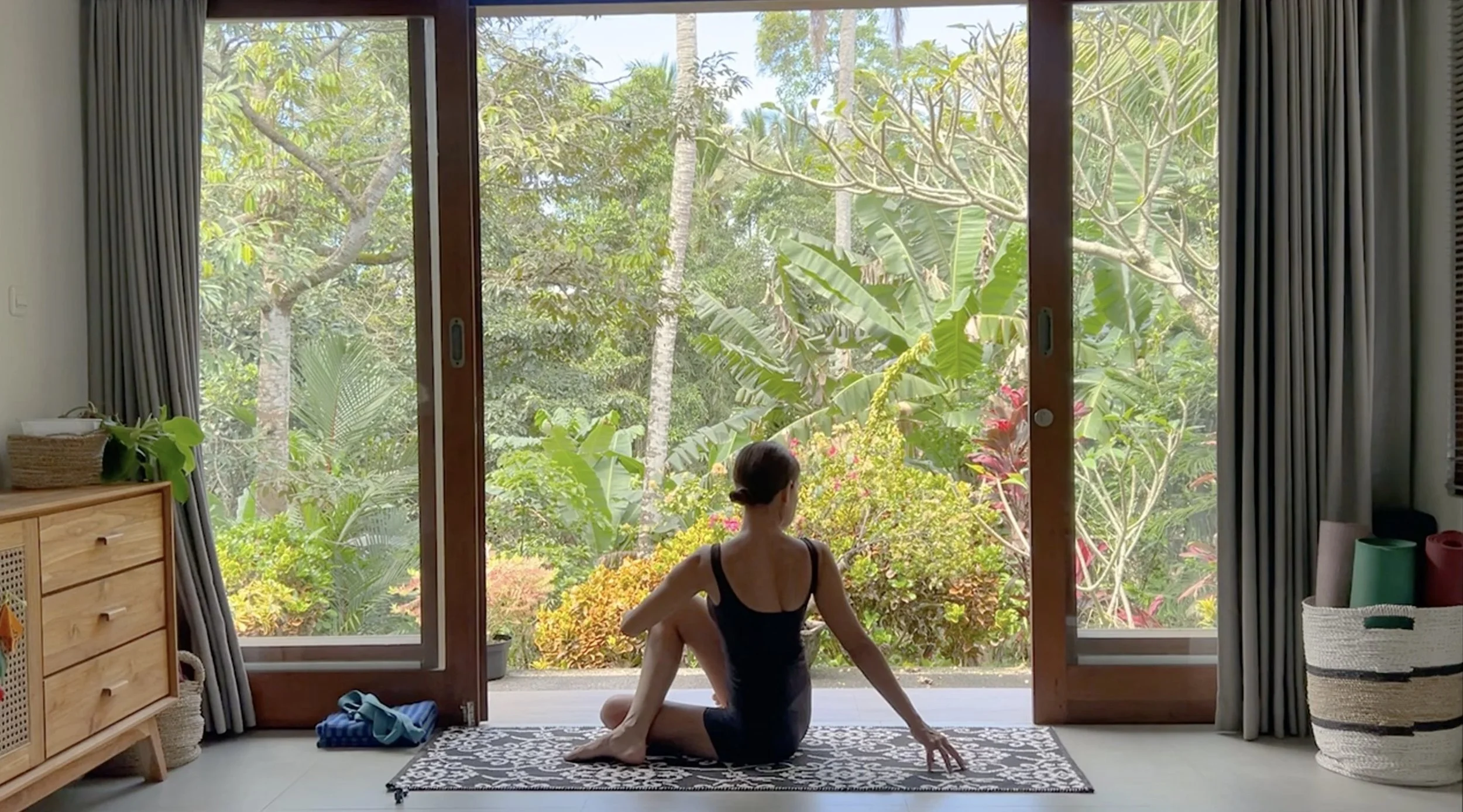
From there, we move into the shoulder girdle, restoring healthy scapulohumeral mechanics — how the shoulder blade glides, rotates, and stabilizes against the rib cage. This sets up the next phase: spinal mobility through all planes of motion (flexion/extension, lateral bending, and rotation), giving the spine back its full functional range rather than letting it lock into one habitual pattern.
We then shift attention downward to the hip joints and iliopsoas, paired with hamstring lengthening — since tension here is one of the most common (and overlooked) contributors to pelvic instability and lower back strain. Coming back up, we return to deeper shoulder mobility work and opening through the chest and sternum, counteracting the rounded, collapsed posture that builds up from daily sitting and screen use.
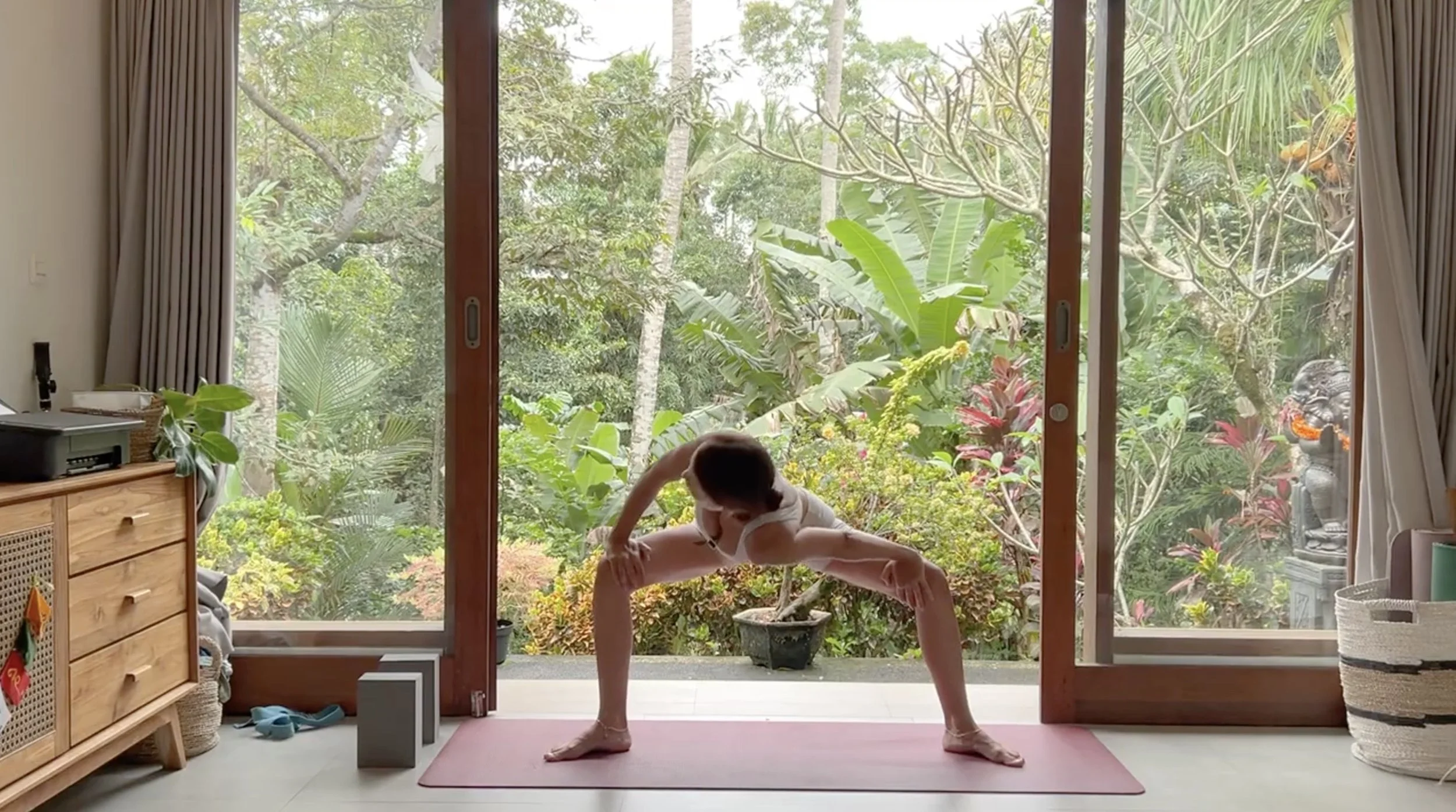
The class moves into a hip-opening sequence combined with self-osteopathic techniques — gentle, targeted movements designed to correct structural asymmetries in the body and reduce abdominal protrusion that often has more to do with postural and myofascial imbalance than with excess weight.
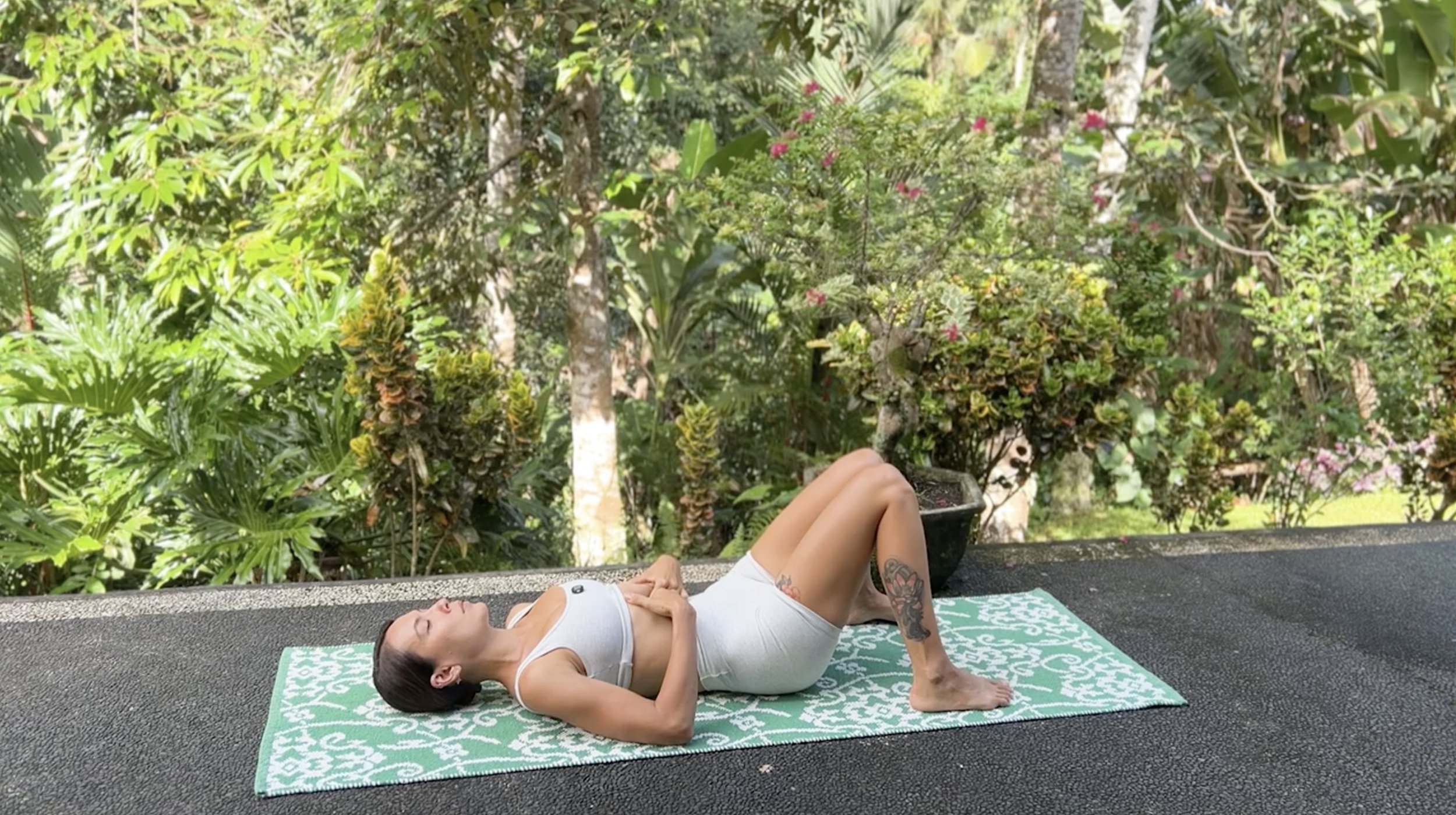
We close by resting over a homemade roll for about five minutes, opening the chest passively and giving the nervous system time to integrate everything the body just experienced — letting the new alignment settle in.